Minimalist Flat Pine Tree Forest Logo: A Versatile Design for Modern Use
In today’s digital and design-driven world, simplicity often speaks louder than complexity. The Minimalist Flat Pine Tree Forest Logo is a perfect example of how a clean, straightforward design can be both aesthetically pleasing and functionally powerful. This logo, available in four key file formats—EPS 10, SVG, PDF, and JPG—offers users flexibility and adaptability across various platforms and applications.
Understanding the Minimalist Flat Pine Tree Forest Logo
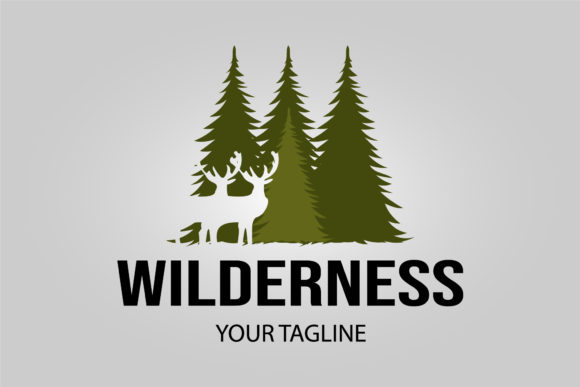
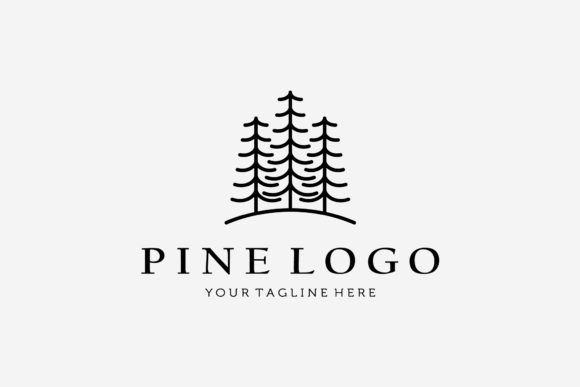
The minimalist flat pine tree forest logo is a design that captures the essence of nature with a modern twist. It features a simplified representation of a pine tree, often arranged in a forest-like formation, using minimal lines and shapes. This style is popular in graphic design because it allows for easy recognition and scalability without losing visual clarity.
Unlike more detailed or intricate logos, this design focuses on form and space rather than excessive detail. The use of flat colors and geometric shapes makes it ideal for a wide range of applications, from branding to web design.
Why Choose a Minimalist Logo?
There are several reasons why a minimalist logo like the flat pine tree forest design is beneficial:
- Simplicity: A minimalist logo is easy to remember and recognize, which is crucial for brand identity.
- Scalability: These designs maintain their clarity at any size, making them suitable for everything from business cards to billboards.
- Timelessness: Simple designs tend to remain relevant over time, avoiding the need for frequent rebranding.
- Adaptability: They work well across different media, including print, digital, and social media platforms.
This logo's versatility makes it an excellent choice for businesses, artists, and designers looking for a clean, professional look that can be easily integrated into various projects.
The Significance of Vector File Formats
The availability of the flat pine tree forest logo in multiple file formats ensures that users can access and utilize the design in the most appropriate way for their needs. Here’s a breakdown of each format:
EPS (Encapsulated PostScript)
The EPS file is a vector-based format commonly used in professional graphic design. It allows for high-quality scaling without loss of resolution, making it ideal for print and large-format projects. To open an EPS file, you typically need software like Adobe Illustrator, which provides full control over the design elements.
If you're working on a project that requires precise editing, such as adjusting colors or modifying individual shapes, the EPS format is the best choice. However, it’s important to note that not all programs support EPS files, so you may need specific tools to make changes.
SVG (Scalable Vector Graphics)
SVG is another vector format, but it’s specifically designed for web use. Unlike EPS, SVG files can be directly embedded into HTML and CSS, making them highly compatible with modern websites and digital interfaces. This format is especially useful for responsive design, where the logo needs to adjust to different screen sizes without losing quality.
Because SVG is based on XML, it also allows for easy customization through code. This means developers can tweak the logo’s appearance using JavaScript or CSS if needed.
PDF (Portable Document Format)
PDF files are widely used for sharing and printing documents. While they are not fully editable like vector formats, they preserve the quality of the original design and can be viewed on almost any device. This makes PDF an excellent option for distributing the logo to clients, collaborators, or for use in presentations.
For those who don’t need to edit the logo but want a high-quality version for printing or sharing, the PDF format is a reliable choice.
JPG (Joint Photographic Experts Group)
JPG is a raster image format that is ideal for photographs and complex graphics. While it doesn’t offer the same level of scalability as vector formats, it is widely supported and easy to use. The JPG version of the flat pine tree forest logo is best suited for web use, social media, or situations where a quick, high-resolution image is needed.
Keep in mind that JPG files can lose some quality when resized, so it’s important to use the highest resolution available for the intended purpose.
How to Use the Logo Effectively
Once you have the logo in your preferred format, there are several ways to incorporate it into your work:
- Branding: Use the logo on business cards, letterheads, and packaging to create a cohesive brand identity.
- Web Design: Integrate the SVG version into your website for a scalable and responsive logo that looks sharp on all devices.
- Marketing Materials: Print the PDF version for brochures, flyers, or posters that require high-quality output.
- Social Media: Use the JPG version for profile pictures, banners, or promotional content on platforms like Instagram, Facebook, or LinkedIn.
Each format has its strengths, so choosing the right one depends on your specific needs and the platform you’re using.
Customization and Flexibility
One of the advantages of vector-based designs like the flat pine tree forest logo is the ability to customize them. While the text in the logo is non-editable, the visual elements—such as colors, shapes, and layout—can be modified to suit your preferences or brand guidelines.
This flexibility allows you to tailor the logo to fit different contexts, whether you're creating a new brand or updating an existing one. For instance, you could change the color scheme to match your company’s palette or adjust the spacing between trees to create a more balanced composition.
However, it’s important to keep the core design intact to maintain its recognizability. Over-modifying the logo can dilute its impact and make it less effective as a brand identifier.
Common Misconceptions About Minimalist Logos
Despite their popularity, there are some common misconceptions about minimalist logos. One of the most frequent misunderstandings is that they are too simple to be effective. In reality, a well-designed minimalist logo can be just as impactful as a more complex one, provided it conveys the right message and resonates with the target audience.
Another misconception is that minimalist logos are difficult to create. While they require careful planning and attention to detail, they are often easier to scale and adapt than more intricate designs. This makes them a practical choice for many businesses and designers.
Conclusion
The Minimalist Flat Pine Tree Forest Logo is a versatile and effective design that combines simplicity with functionality. Whether you're a designer, a business owner, or someone interested in graphic design, this logo offers a great starting point for creating a strong visual identity.
With access to multiple file formats—EPS, SVG, PDF, and JPG—you can choose the one that best suits your needs, ensuring that the logo works seamlessly across different platforms and applications. By understanding the strengths and limitations of each format, you can make informed decisions that enhance your design workflow and overall results.
As you explore the possibilities of this logo, remember that the key to success lies in thoughtful customization and strategic implementation. With the right approach, the minimalist flat pine tree forest logo can become a valuable asset in your creative or professional endeavors.